
What is an underbite?
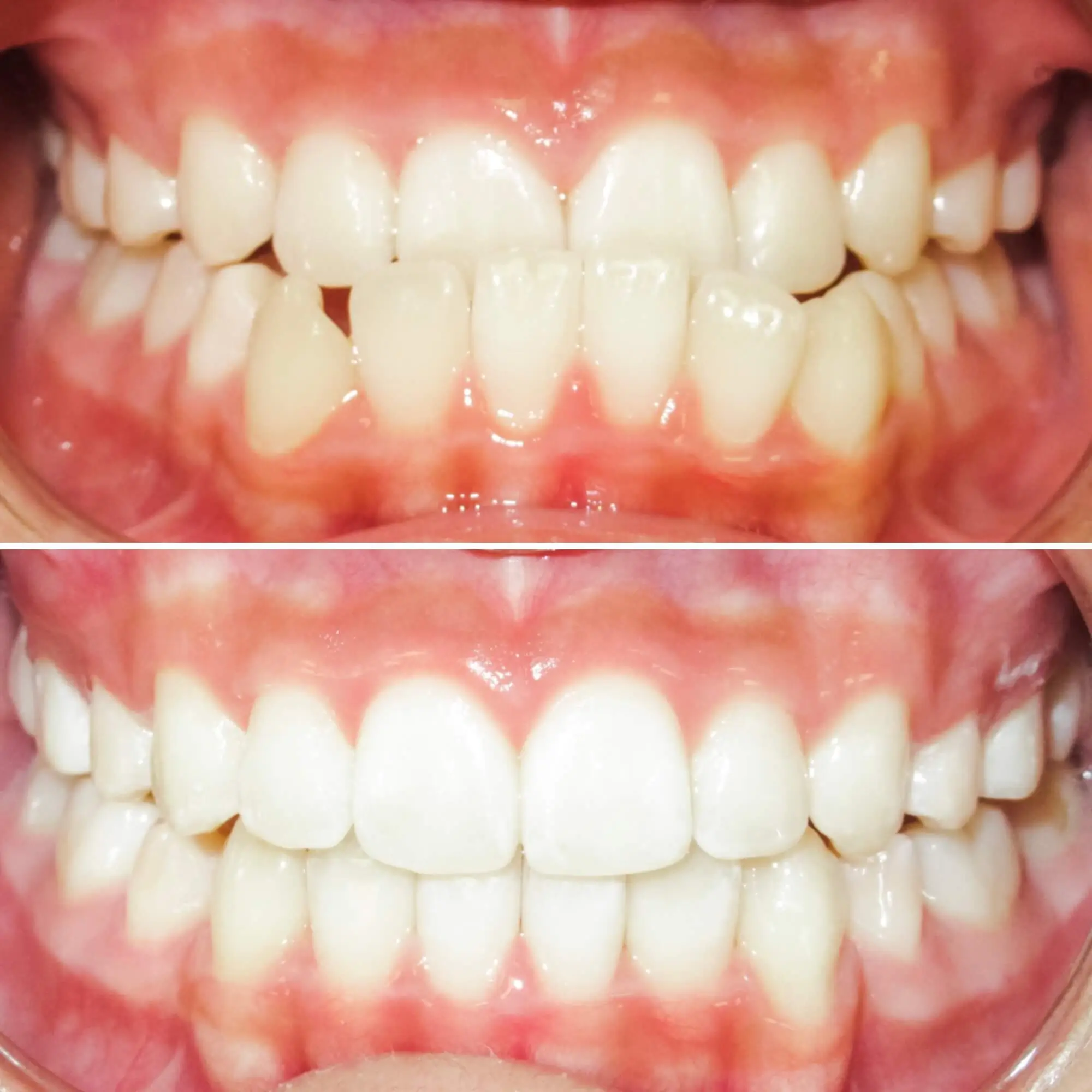
An underbite is a bite where the lower front teeth close in front of the upper front teeth, instead of just behind them. Orthodontists often call it a Class III bite, and when only one or two front teeth are involved it is called an anterior crossbite.
A skeletal underbite involves the jaws. The lower jaw has grown further forward than the upper jaw, the upper jaw is small or set back, or both. The difference matters, because teeth and growing jaws can be guided, while the size of an adult’s jaws can only be changed with surgery. For a shorter overview, read What Is an Underbite and How to Treat It.
What causes an underbite?
Many underbites are inherited, because jaw size and growth run in families. Long-term thumb sucking or tongue thrusting and, rarely, an injury can also play a part.
That is why we pay close attention to children whose parent or sibling has an underbite. Our Orthodontic Issues We Treat page explains related bites, including crossbites.
When should a child with an underbite see an orthodontist?
As soon as you notice it. The Canadian Association of Orthodontists recommends a first orthodontic check by age 7, but if you can already see an underbite there is no need to wait.
The first visit is free. Many children are simply watched at first, through our free growth monitoring, so treatment starts at the right moment. See Treatment for Children (ages 6 to 10).
How do you treat an underbite in children?
In growing children we use appliances that guide the jaws, such as an expander to widen a narrow upper jaw, sometimes combined with a facemask that encourages the upper jaw to grow forward. This early treatment, often called Phase 1, usually takes 6 to 8 months.
A palatal expander can be fixed or removable. A facemask, also called reverse-pull headgear, is worn at home and overnight and works best while the upper jaw is still growing. When only the front teeth are caught behind the lower teeth, a removable plate, the Angel Kid Aligner System or braces on a few teeth can bring them forward. Jaw growth continues into the teens, so we keep checking after early treatment ends.
Can braces or clear aligners fix an underbite?
Yes, for many teens and adults with a mild to moderate underbite. Braces or clear aligners, often with elastics, move the teeth so the upper front teeth sit in front of the lower ones again.
This works when the difference between the jaws is small enough for the teeth to make up for it. We offer metal and ceramic braces and Angel Aligner clear aligners, which cost the same at our practice. Adults can read Treatment for Adults.
Does an underbite need jaw surgery?
Many do not. Surgery is considered when the underbite comes from a large difference in jaw size, in a patient who has finished growing, and when braces or aligners alone could not give a healthy bite and a balanced face.
Jaw surgery (orthognathic surgery) is done by an oral and maxillofacial surgeon once growth has finished, usually in the late teens or adult years. We plan it with the surgeon and straighten the teeth before and after the operation. Some adults who could benefit from surgery choose a non-surgical option instead, and we always explain both. In New Brunswick the hospital costs of jaw surgery are generally covered by Medicare. Our Orthognathic Surgery page explains how it works.
How long does underbite treatment take?
It depends on age and severity. Early treatment for children usually takes 6 to 8 months, full treatment with braces or aligners 10 to 24 months, and treatment that includes jaw surgery usually 24 to 30 months.
We give you your own timeline at your consultation.
What are my payment options for underbite treatment?
We offer interest-free monthly payment plans for every type of underbite treatment, and we direct bill most major insurance providers. Your consultation is free.
For surgical cases, our fee covers the orthodontic part of treatment. The surgeon’s fees are separate. See Payment Plans and Cost, Insurance, and Financing.
Noticed an underbite in your child, or living with one yourself? Book a free consultation in Saint John, Quispamsis or St. Stephen and we will explain every option.