Why Children Need Braces
When most people think of braces for kids, they picture a perfectly aligned, cosmetic smile. While a beautiful smile does wonders for a child’s self-esteem, orthodontic treatment is primarily rooted in health, function, and prevention.
During childhood, the jaws are still growing, and the facial bones are highly adaptable. Addressing structural issues early can prevent more invasive, complex treatments (such as jaw surgery or permanent tooth extractions) later in life. Here are the primary reasons why children need braces or early orthodontic guidance:
1. Correcting Severe Crowding and Spacing
When permanent teeth erupt, there isn’t always enough room in the jaw to accommodate them. Severe crowding can cause teeth to twist, overlap, or become impacted (trapped beneath the gums). Conversely, excessive spacing can leave gums exposed and vulnerable to injury or plaque buildup. Braces create the perfect amount of space, guiding teeth into their proper anatomical positions.
2. Resolving Bite Issues (Malocclusions)
How your child’s upper and lower teeth meet is fundamental to their oral health. Common bite issues include:
- Overbite: The upper front teeth overlap the lower teeth excessively, which can cause wear on the lower teeth or irritation to the roof of the mouth.
- Underbite: The lower teeth sit in front of the upper teeth, putting stress on the jaw joints and affecting chewing function.
- Crossbite: One or more upper teeth bite inside the lower teeth. If left uncorrected, a crossbite can cause the jaw to grow unevenly, leading to facial asymmetry.
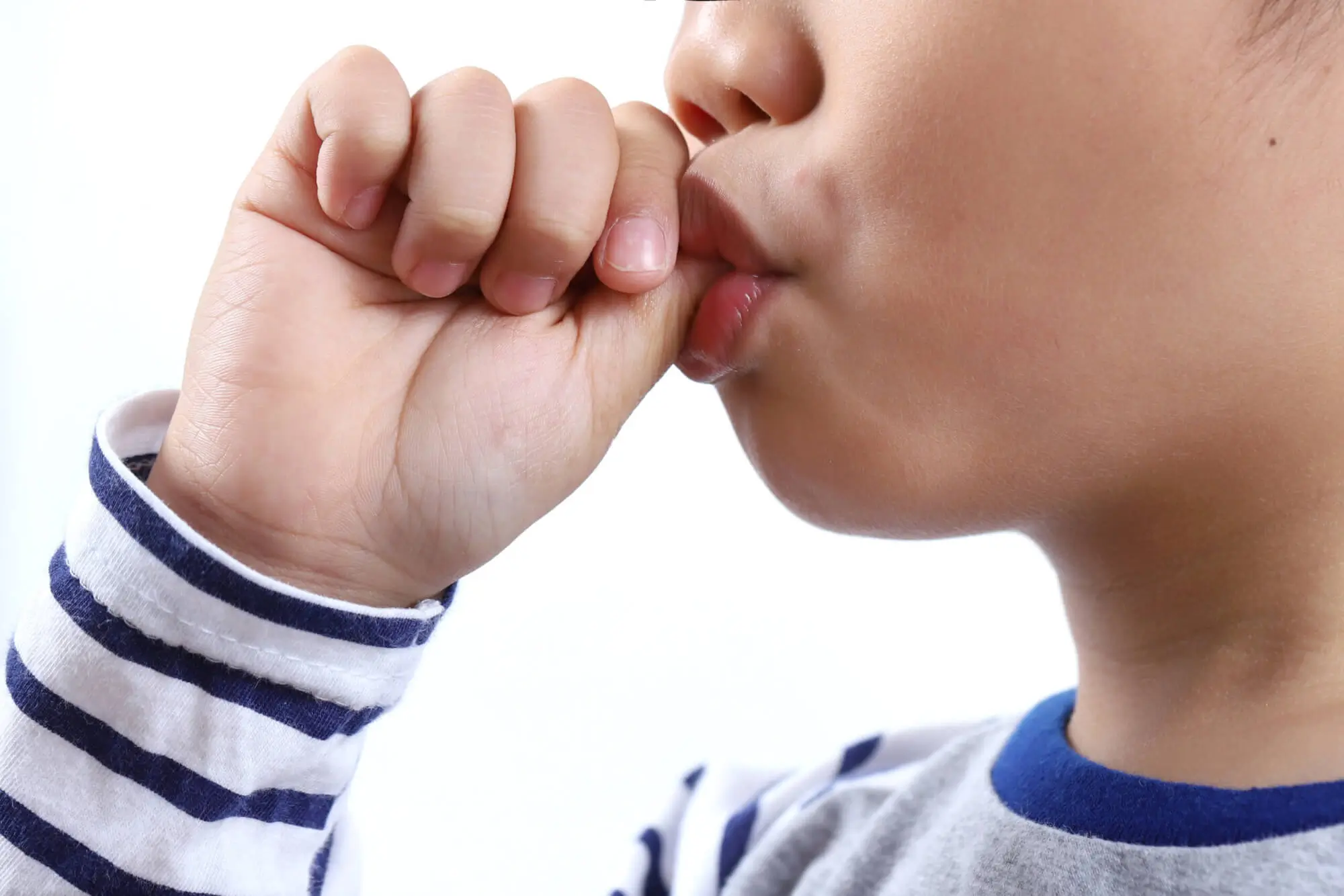
- Open Bite: The front teeth do not meet at all when the back teeth are closed, often caused by prolonged thumb-sucking or tongue-thrusting, making tearing food difficult.
3. Improving Chewing, Speech, and Breathing
Misaligned teeth make it difficult to chew food thoroughly, which can occasionally impact digestion. Furthermore, certain speech impediments and lisping are linked directly to bite structural imbalances, which can be improved with proper alignment. The shapes and positions of the upper and lower jaws also have an effect on how well your child breathes during the day and night.
4. Protecting Against Tooth Wear and Injury
When teeth are misaligned or protrude outward (“buck teeth”), they are significantly more susceptible to dental trauma and chipping during playground activities or sports. An uneven bite also causes certain teeth to bear the brunt of chewing forces, leading to premature enamel wear, fractures, and jaw joint strain (TMD) in the future.
5. Improving Oral Hygiene
Crooked, overlapping teeth create tight spaces that are difficult for small hands to brush and floss effectively. Over time, these hard-to-reach plaque traps increase your child’s risk of developing tooth decay, cavities, and early gum inflammation. Straight teeth make daily brushing easier for you and your child.
Free Consult